Case Study
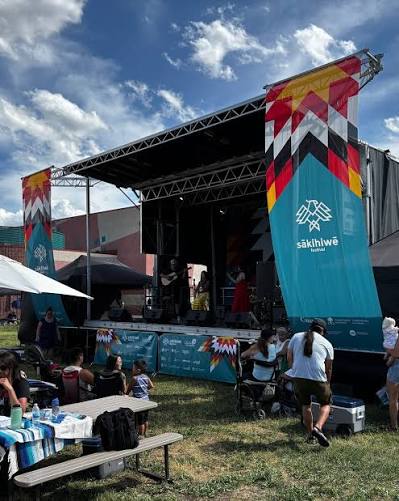
sākihiwē
Web Accessibility · Content Management & Automation
Improved the accessibility of a large existing website while using automation to manage and update information across hundreds of artist profiles.
Project Overview
Improving an existing website at scale
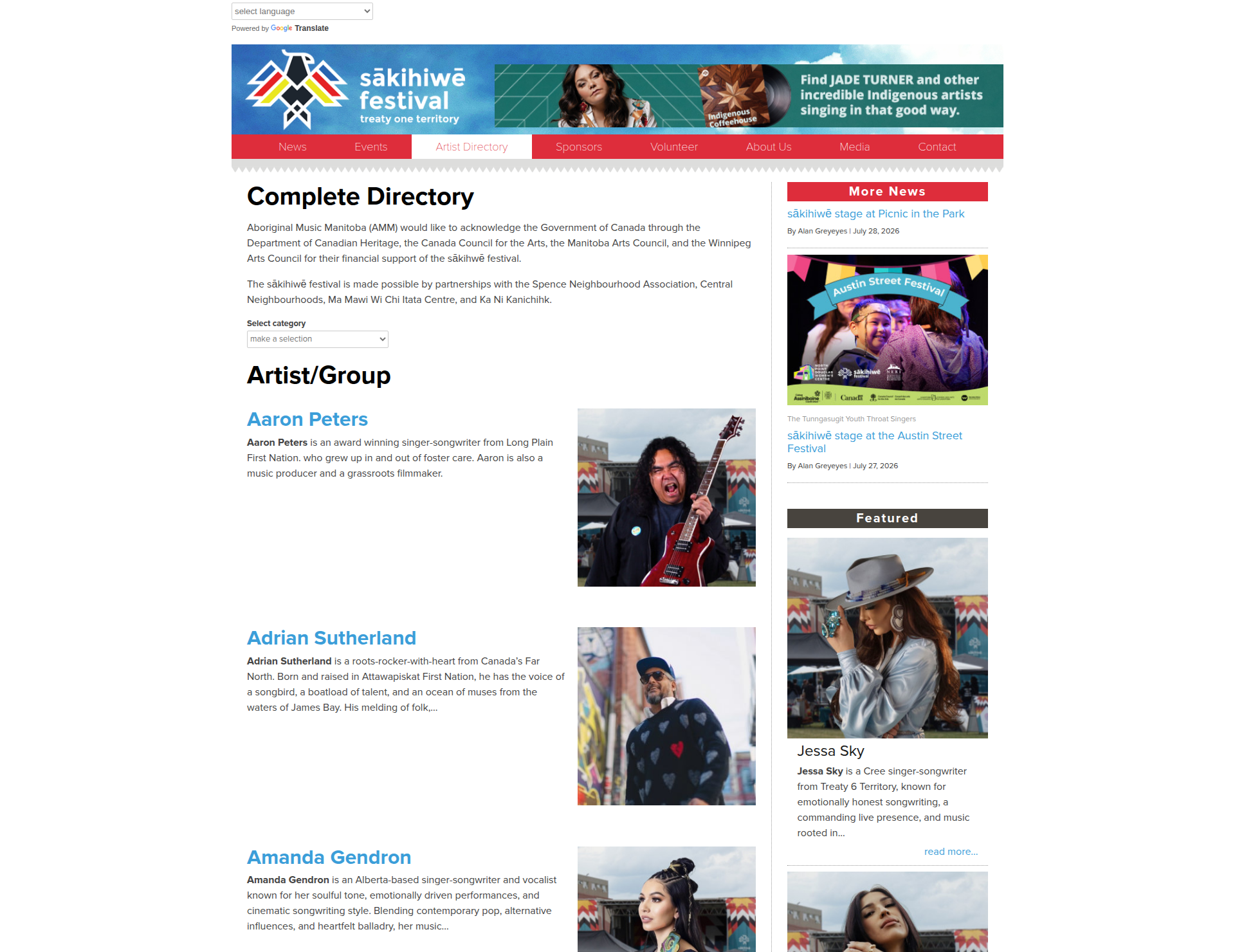
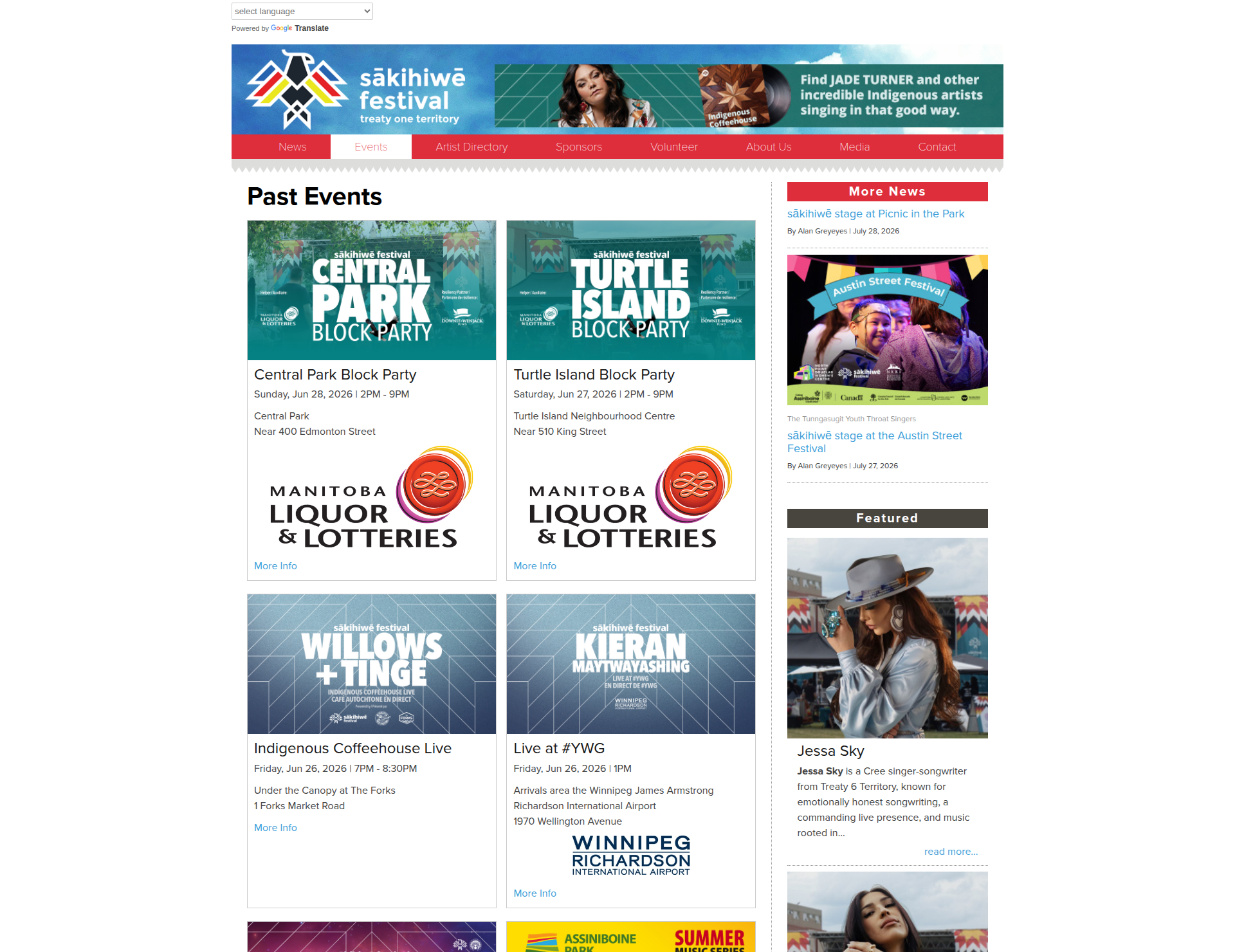
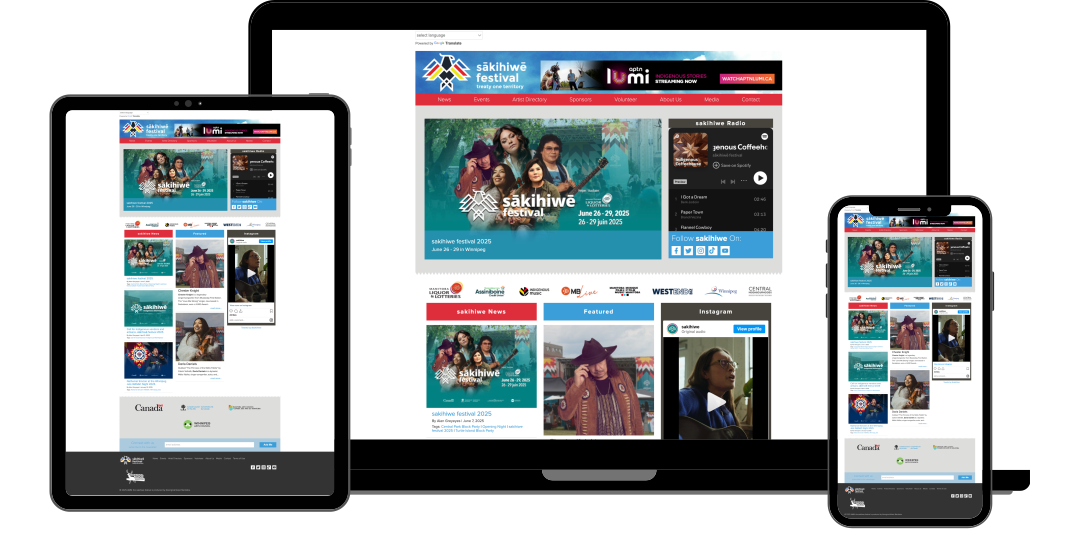
sākihiwē already had an established website and custom content management system when I joined the project. My role wasn't to redesign or rebuild the website.
The work focused on bringing existing website content in line with WCAG 2.1 accessibility requirements, updating a large amount of content, and improving the process of managing information across hundreds of artist profiles.
With that amount of content to work through, I also used Python to automate repetitive tasks that would have otherwise required significant manual work.
The Challenge
Managing accessibility and content across a large website
Accessibility Requirements
Existing website content needed to be reviewed and updated to meet WCAG 2.1 requirements.
Hundreds of Artist Profiles
The website contained a large directory of artists with information that needed to be reviewed and updated.
Outdated Information
Artists needed an opportunity to provide current information for their existing profiles.
Repetitive Administration
Managing communication and information across hundreds of artists created work that wasn't practical to handle entirely by hand.
Unfamiliar Custom CMS
The website used a custom-built content management system that I had to learn while completing the work.
My Approach
Finding efficient ways to work within an existing system
Because the website and CMS already existed, I had to work within the system rather than redesigning it around my own process.
I learned how the custom CMS managed its content and worked through the existing website to identify and address accessibility issues.
With hundreds of artist profiles involved, I also looked for repetitive tasks that could be automated rather than completed manually.
I used Python to help collect and organize artist information and created an automated process for contacting artists at scale to request updated information for their profiles.
This allowed me to combine accessibility work, content management, and automation while working within the constraints of an existing platform.
How This Looks in Practice
How I managed accessibility and content at scale
Accessibility Updates
Reviewed and updated existing website content to support WCAG 2.1 compliance.
Artist Directory Management
Worked through hundreds of artist profiles and their associated information.
Artist Information Automation
Used Python to collect and organize information needed for the artist directory.
Automated Artist Outreach
Created a Python workflow to send update requests to hundreds of artists rather than contacting each person manually.
Custom CMS Management
Learned and worked within an unfamiliar custom CMS to implement content changes.
Project Results
A more professional and effective website
WCAG 2.1 Improvements
Updated existing content to meet the project's accessibility requirements.
Hundreds of Profiles Managed
Worked across a large artist directory without relying entirely on manual processes.
Automated Administration
Reduced repetitive work by using Python for large-scale information and communication tasks.
Updated Content
Created a process for artists to provide updated information for their profiles.
Adapted to an Existing System
Successfully completed the work within a custom CMS and website I hadn't built myself.
Why This Project Stands Out
Using automation where manual work didn't make sense
This project was different from my website design and development work because I inherited an existing website, content structure, and custom CMS.
With hundreds of artist profiles and a significant amount of content involved, completing everything manually would have been inefficient. I started using Python to automate parts of the process, including gathering artist information and contacting artists at scale for profile updates.
It was also valuable experience working within a system I hadn't designed or chosen myself. I had to understand how the existing CMS worked, adapt to its limitations, and find practical ways to complete the work without rebuilding the underlying platform.
The project strengthened the way I think about automation today: when a repetitive process can be handled reliably by code, there is often little reason to keep doing it manually.
The Final Product
An accessibility and content overhaul of an existing website
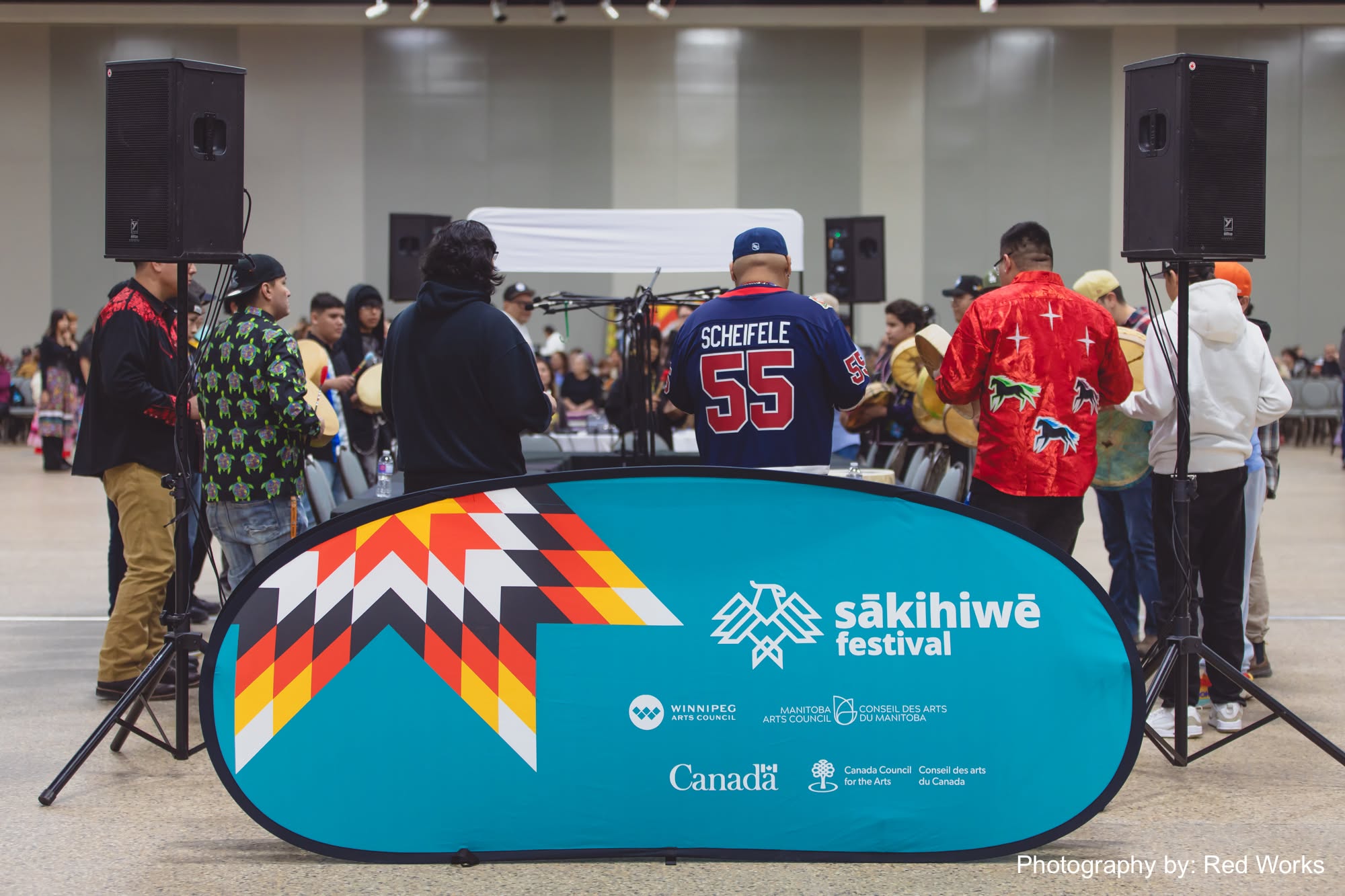
The finished work improved accessibility across the existing sākihiwē website, updated and organized content across its artist directory, and introduced automated workflows to make large-scale content administration more efficient.